
Is South Africa a Good Place to Live? An Honest Look at the Pros and Cons
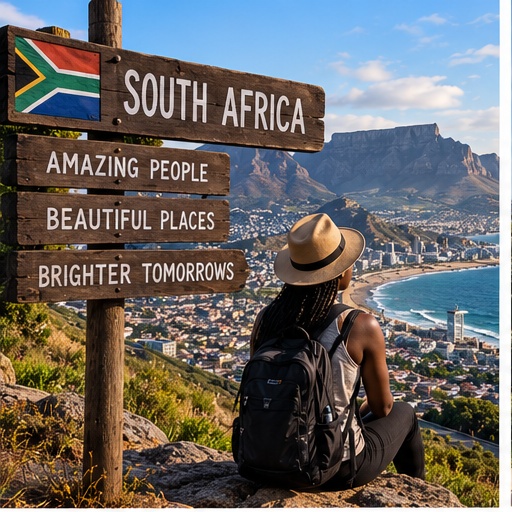
Is South Africa a good place to live? Yes, it can be. South Africa offers beautiful landscapes, generally favourable weather, culturally diverse communities, modern cities, excellent outdoor activities and access to everything from beaches to wildlife reserves. But living well in South Africa also depends heavily on where you live, whether you have a reliable income, your access to transport and healthcare, and how you manage concerns such as crime, unemployment and inconsistent municipal services.
That is why there is no useful one-word answer to this question.
A person with secure employment in a well-serviced suburb may describe South Africa as one of the best places they could imagine living. Someone struggling to find employment or living in an area with unreliable services may have a completely different experience.
Both perspectives can be valid.
If you are considering living in South Africa—or you already live here and are wondering whether life might be better somewhere else—this guide looks at the advantages and disadvantages without pretending that either side of the story does not exist.
Table of Contents
Is South Africa a Good Place to Live? Quick Answer
South Africa has some significant advantages, but it also has serious challenges.
| Reasons people enjoy South Africa | Challenges residents may face |
|---|---|
| Beautiful natural environment | High unemployment |
| Generally pleasant climate | Crime and security concerns |
| Beaches, mountains and wildlife | Uneven municipal services |
| Diverse cultures | Economic inequality |
| Strong outdoor lifestyle | Public transport limitations |
| Modern urban centres | Infrastructure problems in some areas |
| Established private healthcare sector | Unequal access to healthcare |
| Good food and entertainment | Education quality varies |
| Internet access in many urban areas | Employment opportunities vary by region |
| Different lifestyles across nine provinces | Location can strongly affect quality of life |
The key point is that your experience of South Africa depends considerably on your personal circumstances and location.
Let’s examine why.
What Is Living in South Africa Really Like?
There is no single South African lifestyle.
Living in a Johannesburg apartment and working in Sandton is completely different from living in a small town in the Northern Cape.
Life in Durban is different from Cape Town.
Pretoria is different from Gqeberha.
And even within Johannesburg, moving from one neighbourhood to another can significantly change your commute, security, access to shops and overall lifestyle.
South Africa has highly developed commercial areas with modern offices, private hospitals, universities, shopping centres, fibre internet and sophisticated financial services.
At the same time, some communities struggle with poor roads, water interruptions, inadequate housing and unreliable municipal services.
This contrast is essential to understanding the country.
South Africa can provide a very high standard of living, but that standard is not equally accessible to everyone.
What Are the Advantages of Living in South Africa?
1. South Africa Has Exceptional Natural Variety
One of South Africa’s clearest advantages is its landscape.
Few residents need to leave the country to experience completely different natural environments.
Depending on where you travel, you can find:
- long coastlines;
- mountain ranges;
- forests;
- grasslands;
- semi-desert landscapes;
- waterfalls;
- vineyards;
- wildlife reserves; and
- subtropical areas.
Cape Town offers mountains and ocean.
KwaZulu-Natal offers warm beaches, the Drakensberg and major wildlife areas.
Mpumalanga offers dramatic landscapes and access to some of the country’s best-known nature destinations.
The Western and Northern Cape offer environments that look completely different from the green eastern parts of the country.
The official South African Government tourism overview notes that the country has almost 3,000 kilometres of coastline, alongside extensive wildlife and nature-based tourism attractions.
For residents, this means many world-famous destinations are domestic trips rather than once-in-a-lifetime international holidays.
2. The Weather Can Be a Major Lifestyle Advantage
South Africa does not have one climate.
Durban is warm and humid.
Johannesburg experiences summer rainfall and comparatively dry winters.
Cape Town has a Mediterranean-style climate with wetter winters.
High-altitude areas can become surprisingly cold.
Nevertheless, much of the country experiences enough sunshine and moderate weather to make outdoor living possible throughout large parts of the year.
That affects daily life.
People can spend time:
- hiking;
- running;
- cycling;
- swimming;
- surfing;
- fishing;
- camping;
- braaing;
- playing sport; or
- simply sitting outside.
You do not necessarily need an expensive activity to enjoy the country’s natural environment.
For many residents, that is one of South Africa’s strongest quality-of-life advantages.
3. South Africa Offers Very Different Lifestyles Within One Country
One benefit that receives less attention is choice.
Someone who enjoys fast-paced city life can choose Johannesburg.
Someone who prioritises mountains and coastal scenery might prefer Cape Town.
A person who loves warm ocean weather may prefer Durban.
Someone wanting access to Gauteng’s economy without living in central Johannesburg may prefer Pretoria or surrounding areas.
Others may choose smaller towns because they value space, quieter surroundings or proximity to nature.
This flexibility matters.
You can change your lifestyle considerably without necessarily emigrating.
4. South Africa Is Culturally Diverse
South Africa’s diversity is visible in ordinary life.
Language, food, music, traditions and social customs can change considerably between communities.
South Africa now recognises 12 official languages, following the recognition of South African Sign Language as an official language in 2023.
This diversity has influenced everything from music and fashion to food and entertainment.
It also means there is no single definition of what it means to live a “South African lifestyle.”
For many residents, cultural variety is one of the country’s greatest strengths.
5. South African Food Is Diverse
Food is another advantage that is easy to underestimate until you live somewhere else.
South Africa’s history and cultural diversity have produced an unusually varied food scene.
Depending on where you are, you may encounter:
- braai;
- shisa nyama;
- pap;
- chakalaka;
- bunny chow;
- Cape Malay curries;
- bobotie;
- boerewors;
- vetkoek;
- kota;
- samoosas;
- seafood;
- potjiekos; and
- many regional dishes.
Large cities add extensive international dining options.
Food also plays an important social role.
A braai, family meal or neighbourhood food spot is often as much about gathering with other people as it is about eating.
6. South Africa Has Highly Developed Urban Areas
South Africa should not be judged entirely by its infrastructure failures.
Parts of the country’s infrastructure and private economy are highly developed.
Major urban areas provide access to:
- international airports;
- large shopping centres;
- modern banking;
- universities;
- private hospitals;
- hotels;
- entertainment;
- restaurants;
- logistics networks;
- fibre broadband;
- mobile networks; and
- professional services.
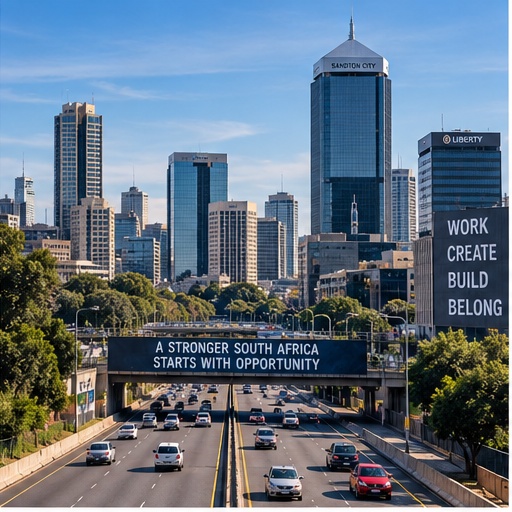
Johannesburg remains a major commercial centre.
Cape Town has developed a substantial tourism, technology, creative and professional-services economy.
Durban is home to one of the country’s most important ports.
Pretoria combines residential areas, universities, businesses and national government institutions.
South Africa therefore offers many conveniences associated with developed urban economies, particularly in major metropolitan areas.
Is Internet Access Good in South Africa?
In many urban and suburban areas, yes.
Fibre broadband has expanded significantly, while mobile networks provide widespread 4G and growing 5G coverage.
This has helped make activities such as:
- remote work;
- online shopping;
- internet banking;
- streaming;
- online education;
- food delivery;
- ride-hailing; and
- digital entrepreneurship
part of ordinary urban life.
However, internet quality still varies.
A person considering a particular property should check fibre availability at the specific address rather than assuming an entire town or suburb has identical coverage.
For someone earning remotely, reliable internet can make South Africa especially attractive because income is no longer tied entirely to the local employment market.
Is South Africa a Good Place to Live If You Earn a Good Income?
For many people, yes.
Income can dramatically improve quality of life in South Africa.
A financially comfortable household may be able to choose:
- secure housing;
- reliable transport;
- private healthcare;
- private or well-performing public schools;
- backup electricity;
- good internet;
- recreational activities; and
- neighbourhoods with better infrastructure.
This can produce an excellent lifestyle.
But it also reveals one of the country’s biggest problems.
People with enough money can sometimes privately replace services that other residents must depend on government to provide.
For example, a household might pay separately for:
private security instead of relying entirely on policing;
medical aid instead of relying exclusively on public healthcare;
solar and batteries to reduce electricity dependence;
or
private schooling where local public-school options do not meet their needs.
This creates a strange situation.
South Africa can simultaneously offer an excellent lifestyle while requiring households to spend substantial amounts protecting that lifestyle.
Is South Africa a Good Place to Live on a Low Income?
This is much harder.
A person earning less cannot simply purchase alternatives whenever a public service fails.
If transport is unreliable, they may not own a car.
If the local public hospital is overcrowded, private treatment may not be affordable.
If the neighbourhood has security problems, moving into a guarded estate may not be realistic.
If electricity fails locally, a large solar-and-battery system may be out of reach.
This is why income inequality isn’t merely an economic statistic.
It can determine what version of South Africa a person experiences every day.
Is It Easy to Find a Job in South Africa?
For many job seekers, no.
This is arguably one of the biggest disadvantages of living in the country.
According to Statistics South Africa’s Quarterly Labour Force Survey, South Africa’s official unemployment rate reached 33.6% in the second quarter of 2026.
That means employment cannot be treated as a minor consideration when deciding whether South Africa offers a good quality of life.
Someone moving to the country with secure employment or remote income is in a fundamentally different position from someone arriving and hoping to find work afterwards.
Internal link opportunity
This is the ideal place to link to your News Domain article:
Why Is It So Hard to Find a Job in South Africa? The Real Reasons
Use the anchor text:
why it is so hard to find a job in South Africa
Your employment article explores this question in much greater detail.
Why Does Employment Matter So Much to Quality of Life?
South Africa’s greatest attractions cannot compensate for a lack of basic financial security.
Someone without sufficient income may struggle with:
- rent;
- groceries;
- electricity;
- transport;
- medical expenses;
- mobile data;
- debt; and
- family responsibilities.
This changes how a person experiences the country.
A weekend at the beach feels irrelevant when you cannot afford transport to work.
Beautiful weather doesn’t solve unemployment.
This is why discussions about South Africa’s lifestyle should not focus exclusively on scenery.
Economic opportunity is part of quality of life.
Is South Africa Safe to Live In?
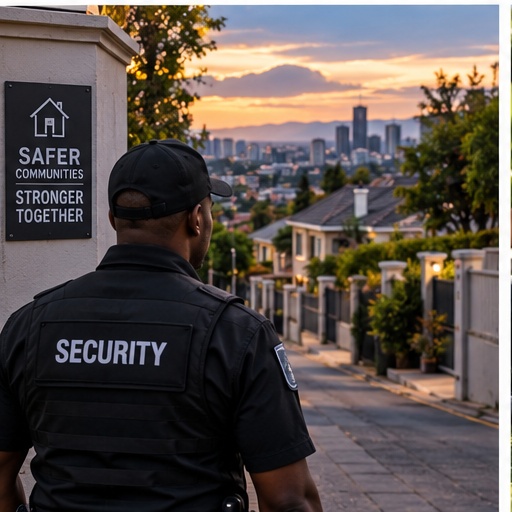
South Africa has a serious crime problem, and any balanced discussion about living here needs to acknowledge it.
The South African Police Service publishes national crime statistics covering serious offences including murder, robbery, assault and sexual offences.
However, national crime numbers do not mean every person faces the same risk.
Crime varies enormously between:
- provinces;
- cities;
- suburbs;
- neighbourhoods;
- types of property; and
- times of day.
Two areas separated by only a few kilometres can have very different security conditions.
So the question shouldn’t only be:
Is South Africa safe?
A more useful question is:
How safe is the specific area where I plan to live, work and travel?
What Safety Measures Are Common in South Africa?
Depending on the neighbourhood, households may use:
- alarms;
- electric fencing;
- security gates;
- burglar bars;
- cameras;
- access-controlled complexes;
- private security;
- armed response; and
- neighbourhood watch groups.
South Africans also develop everyday habits around personal security.
People may avoid displaying expensive phones in certain public areas, avoid unfamiliar places at night or make sure valuables aren’t visible inside vehicles.
For long-term residents, these habits can become routine.
For someone moving from a country where household security is less visible, they may initially be surprising.
Does Crime Mean You Should Not Live in South Africa?
Not necessarily.
Millions of people build ordinary lives here.
They go to work, raise families, visit restaurants, attend school, travel and enjoy the country.
But ignoring crime would be irresponsible.
Someone considering a move should research the actual neighbourhood rather than relying on social media arguments claiming either that South Africa is completely dangerous or completely safe.
Neither extreme is particularly useful.
Is Healthcare Good in South Africa?
South Africa has a divided healthcare system.
There is a large public healthcare sector and a substantial private healthcare sector.
The government reports that public healthcare facilities are the first point of care for the majority of South African households.
The private system provides access to many highly regarded doctors, specialists and hospitals, but affordability can be a major barrier.
This creates another example of how income changes the experience of living in South Africa.
Someone with comprehensive medical cover may have rapid access to private treatment.
Someone relying entirely on the public system may face a very different experience depending on the facility and location.
It would therefore be inaccurate to say simply that South African healthcare is either “good” or “bad.”
The better answer is:
South Africa has excellent medical expertise, but access to consistent healthcare quality is unequal.
What About National Health Insurance?
South Africa is pursuing National Health Insurance as a long-term reform intended to move the country toward universal healthcare coverage.
The NHI Act was signed into law in 2024, but implementation is a phased process rather than an overnight replacement of the current healthcare system.
Anyone evaluating life in South Africa today should therefore make decisions based on the healthcare options currently available to them.
Future policy changes may alter the system, but they should not be treated as though they have already been fully implemented.
Is Education Good in South Africa?
South Africa has excellent educational institutions, but quality is inconsistent.
The country has:
- public schools;
- independent schools;
- universities;
- TVET colleges;
- occupational training;
- apprenticeships; and
- specialised education providers.
Some public schools achieve excellent results.
Others struggle with overcrowding, infrastructure problems or educational outcomes.
Private education gives families additional options, but it can be expensive.
For parents, this means the correct question is not:
“Are South African schools good?”
It is:
“Which schools will realistically be available to my children where we plan to live?”
That is far more useful.
Has South Africa Solved Load-Shedding?
The electricity situation has improved significantly compared with the worst years of the energy crisis.
Eskom reported only four days of load-shedding during its financial year ending March 2026, compared with 329 days in 2024.
That represents an enormous improvement.
Residents who previously planned their days around load-shedding schedules have experienced much greater electricity stability.
But that doesn’t mean every electricity interruption has disappeared.
A neighbourhood can still lose power because of:
- cable faults;
- transformer failures;
- municipal infrastructure;
- theft;
- maintenance; or
- local distribution problems.
National load-shedding and local power failures are not the same thing.
So electricity reliability has improved substantially, but the exact experience still varies by municipality and neighbourhood.
Are South African Municipal Services Reliable?
This depends heavily on the municipality.
Some communities receive relatively reliable:
- water;
- refuse collection;
- electricity distribution;
- road maintenance; and
- other municipal services.
Other areas struggle.
Problems can include:
- potholes;
- water interruptions;
- sewage leaks;
- electricity faults;
- broken streetlights;
- waste collection failures; and
- poorly maintained public spaces.
This means municipality selection can matter almost as much as city selection.
Before moving, talk to people who actually live in the neighbourhood.
Ask how frequently they experience water and electricity problems.
Look at the condition of roads and public areas.
Visit at different times.
A property listing won’t tell you everything you need to know.
Do You Need a Car in South Africa?
Not necessarily, but a car can make life much easier.
South Africa has several forms of public and shared transport, including:
- minibus taxis;
- municipal buses;
- trains;
- Gautrain;
- bus rapid-transit systems;
- metered taxis; and
- ride-hailing.
However, cities are often spread out.
A workplace, shopping centre, hospital and home may be separated by considerable distances.
Public transport coverage and reliability also differ from one area to another.
For this reason, many middle-income households rely heavily on private vehicles.
Someone planning a move should calculate transport before choosing a home.
Cheap rent 50 kilometres away from work may not actually be cheap once fuel, tolls, vehicle maintenance and commuting time are included.
Is Cape Town a Good Place to Live?
Cape Town has obvious attractions.
It offers:
- mountains;
- beaches;
- hiking;
- restaurants;
- wine regions;
- tourism;
- outdoor recreation; and
- striking scenery.
It also has established business, technology and creative sectors.
But a beautiful city is not automatically the right city for everyone.
Housing in highly desirable areas can be expensive.
Traffic can affect commuting.
Safety varies by neighbourhood.
And employment opportunities depend on industry.
Cape Town can provide an exceptional lifestyle when a person’s income, housing and employment line up with the city.
Is Johannesburg a Good Place to Live?
Johannesburg offers a different type of advantage.
It is strongly connected to:
- finance;
- corporate business;
- retail;
- technology;
- professional services;
- logistics;
- entertainment; and
- entrepreneurship.
For someone focused heavily on career and business opportunities, Johannesburg can make sense.
The city also has extensive restaurants, shopping, nightlife and suburban housing options.
But Johannesburg’s size creates challenges.
Traffic can be frustrating.
Distances are significant.
Security varies dramatically by neighbourhood.
Infrastructure quality can also change considerably between areas.
Johannesburg may not offer Cape Town’s ocean-and-mountain lifestyle, but it offers something else:
economic scale.
Is Pretoria a Good Place to Live?
Pretoria can provide a balance between access to Gauteng’s economy and a somewhat different pace from Johannesburg.
Advantages can include:
- universities;
- government institutions;
- suburban neighbourhoods;
- commercial areas;
- access to major roads; and
- proximity to Johannesburg.
It can be particularly practical for people whose careers are linked to government, education or businesses operating across Gauteng.
As always, suburb choice matters.
Is Durban a Good Place to Live?
Durban appeals strongly to people who enjoy warm coastal living.
Its advantages include:
- beaches;
- warm winters;
- Indian Ocean access;
- distinctive food;
- cultural diversity; and
- proximity to wider KwaZulu-Natal attractions.
Durban also has major economic importance because of its port and logistics sector.
But anyone considering moving there should research local municipal services, employment prospects and neighbourhood conditions.
A holiday experience and a permanent living experience are not the same thing.
Are Smaller South African Towns Better to Live In?
They can be—for the right person.
A smaller town may provide:
- less traffic;
- quieter surroundings;
- more space;
- closer access to nature;
- stronger community connections; and
- sometimes lower housing costs.
But there can also be disadvantages:
- fewer jobs;
- fewer specialist doctors;
- limited entertainment;
- fewer schools;
- weaker internet in some locations; and
- longer travel for specialised services.
Remote work has made smaller towns more realistic for some people because employment no longer always requires living near a major office.
But reliable internet becomes essential.
Is South Africa a Good Place for Families?

South Africa can offer families a strong lifestyle.
Children can have access to:
- sport;
- beaches;
- outdoor activities;
- parks;
- wildlife;
- schools;
- family homes;
- cultural experiences; and
- extended family networks.
But parents need to consider practical realities.
The most important questions include:
- Is the neighbourhood secure?
- Which school will the children attend?
- How long is the school commute?
- What healthcare is nearby?
- Is childcare available?
- Are there safe outdoor spaces?
- What will transport cost?
A country may offer a good family lifestyle overall while one particular neighbourhood does not.
Is South Africa a Good Place for Young Adults?
South Africa can be exciting for young adults.
Johannesburg, Cape Town, Durban and Pretoria offer:
- universities;
- nightlife;
- music;
- fashion;
- restaurants;
- sports;
- entrepreneurship;
- creative industries;
- technology; and
- social communities.
The difficulty is turning that lifestyle into a sustainable future.
Young people face especially difficult employment conditions, and national unemployment remains exceptionally high.
This can delay:
- moving out;
- buying a car;
- starting a family;
- buying property;
- saving;
- investing; and
- building financial independence.
South Africa can therefore be socially exciting while economically difficult for young adults.
Is South Africa a Good Place for Remote Workers?
South Africa can be especially attractive for someone whose income doesn’t depend on finding a local job.
A remote worker may be able to combine:
- fibre internet;
- comfortable housing;
- outdoor activities;
- beaches;
- mountains;
- restaurants;
- warm weather; and
- access to major airports.
However, remote workers should investigate the exact property.
Check:
- fibre;
- mobile backup;
- electricity reliability;
- security;
- workspace;
- noise;
- local amenities; and
- commute to airports if travel is important.
A great remote-work destination needs more than a beautiful view.
It needs reliable infrastructure.
Is South Africa a Good Place to Retire?
For some retirees, yes.
South Africa offers several qualities that can be attractive later in life:
- warm weather;
- scenic towns;
- golf;
- nature;
- beaches;
- lifestyle estates;
- restaurants;
- private healthcare; and
- comparatively spacious homes in some areas.
But healthcare should become one of the biggest considerations.
A quiet rural property may sound perfect until you need regular specialist treatment two hours away.
Retirees should consider proximity to:
- hospitals;
- doctors;
- pharmacies;
- shopping;
- family;
- airports; and
- emergency services.
Why Do South Africans Emigrate?
South Africans leave for many different reasons.
Common motivations can include:
- career opportunities;
- higher earnings;
- concerns about crime;
- public services;
- education;
- family;
- international experience;
- economic uncertainty; and
- long-term planning.
These decisions are personal.
It would be misleading to treat every emigrant as proof that South Africa has failed.
People migrate between countries for opportunities all over the world.
But when large numbers of skilled residents cite similar concerns, those concerns deserve attention.
Why Do Some South Africans Return After Living Overseas?
Because another country doesn’t automatically solve every problem.
A South African earning more abroad may also face:
- very high rent;
- smaller living spaces;
- expensive childcare;
- difficult weather;
- long commutes;
- cultural isolation;
- visa restrictions; and
- separation from family.
People may also miss:
- South African food;
- friends;
- family;
- weather;
- humour;
- culture;
- space;
- beaches; and
- outdoor living.
Emigration is not simply a move from a “bad country” to a “good country.”
It is a trade between different advantages and disadvantages.
Is Life Better Overseas Than in South Africa?
This question is too broad to answer without naming another country.
“Overseas” could mean Switzerland or Zimbabwe, Australia or Argentina, Canada or Kenya.
Instead of asking whether life is better overseas, compare your real options.
For example:
| Factor | Current life in SA | Possible destination |
|---|---|---|
| After-tax salary | Calculate | Calculate |
| Housing | Calculate | Calculate |
| Transport | Calculate | Calculate |
| Healthcare | Compare | Compare |
| Safety | Compare | Compare |
| Career potential | Compare | Compare |
| Weather | Compare | Compare |
| Family support | Compare | Compare |
| Childcare | Compare | Compare |
| Lifestyle | Compare | Compare |
| Immigration status | Not applicable | Check carefully |
The highest salary doesn’t automatically produce the highest quality of life.
What matters is what remains after the financial and non-financial costs are considered.
Is South Africa a Good Place to Build a Career?
It depends on the industry.
South Africa has significant sectors including:
- finance;
- mining;
- agriculture;
- tourism;
- retail;
- telecommunications;
- technology;
- logistics;
- manufacturing;
- healthcare;
- professional services; and
- renewable energy.
There are real career opportunities.
But high unemployment means competition can be intense, especially for entry-level positions.
This makes career planning particularly important.
Rather than studying or training without understanding the labour market, prospective workers should look at actual vacancies and identify skills employers repeatedly request.
Qualifications matter.
But qualifications that align with genuine demand can be considerably more useful.
Is South Africa a Good Place to Start a Business?
South Africa has a large consumer market, established banking infrastructure and significant opportunities for entrepreneurship.
Digital businesses can also reach customers nationally or internationally.
But starting a business isn’t automatically easy.
Entrepreneurs may encounter:
- limited startup capital;
- regulation;
- competition;
- weak consumer spending;
- logistics costs;
- municipal problems;
- electricity costs; and
- difficulty acquiring customers.
South Africa needs successful small businesses because growing businesses can become employers.
But entrepreneurship shouldn’t be presented as an effortless escape from unemployment.
Businesses survive when they solve real problems for customers who are willing and able to pay.
Is South Africa a Good Place to Buy Property?
That depends on:
- income;
- interest rates;
- deposit;
- neighbourhood;
- municipal services;
- security;
- property taxes;
- levies;
- maintenance;
- commute; and
- how long you plan to stay.
Property can provide stability, but buying a home also creates long-term obligations.
Someone uncertain about employment or location may benefit from renting until their situation becomes clearer.
A cheap property in a poorly managed area can become expensive through repairs, security and declining infrastructure.
As with almost everything else in South Africa, location matters enormously.
What Is the Quality of Life Like in South Africa?
The answer can range from exceptional to extremely difficult.
Imagine one household:
They have stable employment.
Their neighbourhood is secure.
They have fibre.
Their commute is manageable.
Their children attend a good school.
They have access to healthcare.
They spend weekends outdoors.
For them, South Africa may offer an outstanding quality of life.
Now consider another household:
Income is unstable.
Transport consumes a large portion of earnings.
Municipal services are unreliable.
Crime is a daily concern.
Healthcare access is difficult.
Employment opportunities are limited.
They live in the same country but experience something completely different.
This is why national lifestyle discussions often become arguments.
People aren’t necessarily lying.
They may genuinely be describing different versions of South African life.
Is South Africa Improving?
Some developments provide reasons for optimism.
The dramatic improvement in national electricity availability compared with the worst load-shedding years is one example. Eskom reported only four load-shedding days during its financial year ending March 2026.
But major problems remain.
Unemployment is still extraordinarily high.
Crime remains a serious concern.
Healthcare access remains unequal.
Municipal performance varies considerably.
South Africa therefore doesn’t fit neatly into either of these narratives:
“Everything is collapsing.”
or
“Everything is getting better.”
Progress can happen in one area while conditions deteriorate or stagnate elsewhere.
What Should South Africa Improve to Become a Better Place to Live?
Create More Employment Opportunities
This should be near the top of the list.
A country cannot achieve broadly shared prosperity when such a large percentage of people who want work cannot find it.
More sustainable businesses, investment and economic growth are essential.
Reduce Violent Crime
People should be able to enjoy their homes and communities without treating extensive private security as a normal household requirement.
Improving policing, investigations, prosecution and broader social conditions would significantly improve everyday quality of life.
Improve Municipal Services
Basic services have an enormous effect on people’s perception of government.
Residents notice:
- whether taps work;
- whether rubbish is collected;
- whether roads are maintained;
- whether streetlights work; and
- whether sewage systems function.
Good local government is not glamorous.
But it directly changes daily life.
Improve Public Transport
Reliable public transport can expand access to jobs and education.
It can also reduce household dependence on expensive private vehicles.
In a geographically spread-out country, transport is an economic opportunity issue—not merely a convenience.
Improve Education
Children shouldn’t receive dramatically different opportunities simply because of where they were born or which school their parents can afford.
Better foundational literacy, numeracy, teacher support and school infrastructure could improve long-term employment outcomes.
Improve Access to Quality Healthcare
South Africa has highly capable medical professionals.
The challenge is ensuring quality care becomes consistently accessible regardless of income.
Healthcare shouldn’t become excellent only once a household can afford to opt out of the public system.
News Domain Opinion: Is South Africa a Good Place to Live?
Our answer is yes, but with conditions.
South Africa has genuine advantages that should not be dismissed.
It is beautiful.
It is culturally rich.
It offers extraordinary natural diversity.
Its major cities contain sophisticated businesses and services.
Its weather allows a lifestyle many people around the world actively seek.
And for households with stable income and good access to services, South Africa can offer an exceptional quality of life.
But there is another side.
A country should not measure its success solely by how comfortable life can be for people who can afford private alternatives.
A genuinely successful South Africa should allow an ordinary working household to:
- find employment;
- live safely;
- access reliable healthcare;
- send children to a good school;
- use functioning public infrastructure;
- travel to work affordably; and
- still have enough money and time to enjoy life.
That remains difficult for too many people.
Frequently Asked Questions
Is South Africa a good place to live?
Yes, South Africa can be a very good place to live. It offers favourable weather, beautiful landscapes, diverse cultures, major cities and an attractive outdoor lifestyle. However, quality of life varies significantly according to income, location, employment, security and access to services.
What are the main advantages of living in South Africa?
Major advantages include natural beauty, climate, cultural diversity, food, beaches, wildlife, outdoor activities, modern urban areas and a wide range of lifestyle options.
What are the disadvantages of living in South Africa?
Major challenges include unemployment, crime, economic inequality, uneven municipal services, unequal healthcare and education quality, and limited public transport in some areas.
Is South Africa safe?
South Africa has serious crime challenges, but risk differs substantially by neighbourhood and type of crime. Research the specific area where you plan to live rather than relying only on national averages.
Is South Africa good for families?
It can be. Families can enjoy outdoor activities, good schools, sport, nature and spacious residential areas. School quality, security, healthcare and commute should be investigated carefully.
Is South Africa good for young people?
South Africa offers strong social, educational, cultural and entrepreneurial opportunities, but high youth unemployment can make establishing financial independence difficult.
Is South Africa good for remote workers?
Yes, potentially. Many urban areas have reliable fibre and mobile connectivity, while the country’s climate and lifestyle can be attractive. Check connectivity, security and electricity reliability at the exact property.
Is healthcare good in South Africa?
South Africa has highly skilled medical professionals and established private healthcare. Public healthcare quality and capacity vary, making access to consistent quality unequal.
Is education good in South Africa?
Quality varies widely. South Africa has excellent schools and universities, but some schools struggle with resources, infrastructure and educational outcomes.
Does South Africa still have load-shedding?
National load-shedding has improved dramatically compared with previous years, although local electricity outages can still happen independently of national load-shedding.
Which South African city is best to live in?
There is no universal winner. Cape Town may appeal to people prioritising scenery and outdoor lifestyle, Johannesburg to people focused on business and careers, Durban to people wanting warm coastal living, and Pretoria to those seeking Gauteng access with a different suburban environment.
Is South Africa better than living overseas?
That depends entirely on the destination and your personal circumstances. Compare actual income, housing, healthcare, safety, transport, family support, career opportunities and lifestyle rather than assuming another country is automatically better.
Should I move to South Africa?
Research your specific city and neighbourhood first. Secure income where possible, calculate realistic housing and transport costs, investigate safety, healthcare, schools and infrastructure, and visit the area before making a long-term decision.
Final Verdict: Is South Africa a Good Place to Live?
So, is South Africa a good place to live?
Yes—for many people, it can be an excellent place to live. But the answer depends strongly on employment, income and where you live.
South Africa offers an unusual combination of:
natural beauty, warm weather, wildlife, beaches, mountains, cultural diversity, modern cities and outdoor living.
Those advantages are real.
So are the disadvantages.
High unemployment can make building a stable life difficult.
Crime changes how people think about security.
Uneven municipal services can make one neighbourhood significantly more functional than another.
Healthcare and education can vary dramatically depending on what a household can access.
That is the contradiction at the heart of living in South Africa.
The country has many ingredients for an extraordinary quality of life, but those advantages are not equally available to everyone.
South Africa does not need to become another country to become a better place to live.
It needs to make more of what already works accessible to more people.
More jobs.
Safer communities.
Better schools.
Reliable municipalities.
Accessible healthcare.
Functional transport.
And an economy that gives ordinary households a realistic chance to move forward.
If South Africa makes sustained progress in those areas, its existing advantages—from its climate to its people and natural environment—become even more valuable.
For now, the fairest answer remains:
South Africa can be a wonderful place to live, but your experience depends heavily on which part of South Africa you can realistically access.