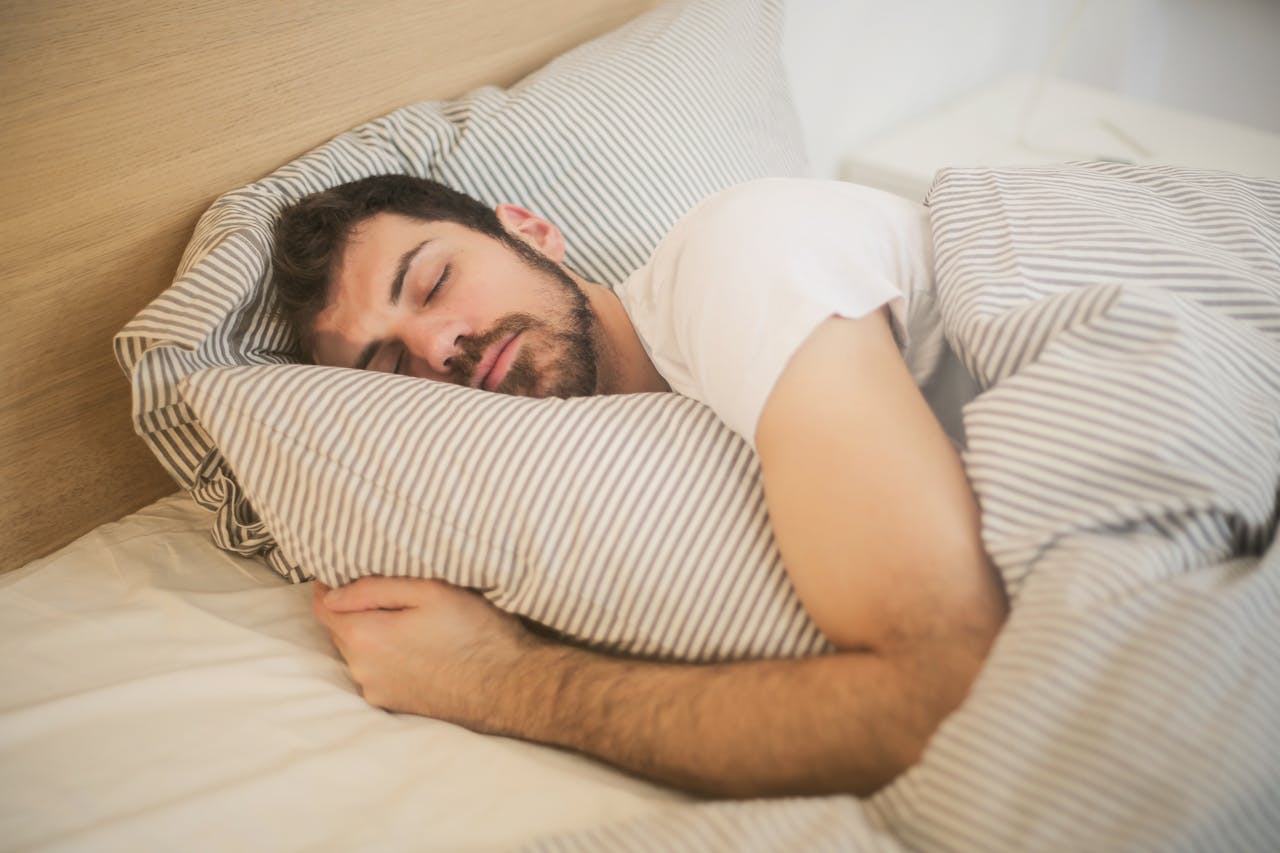
I used to lie awake until 2 AM, staring at my iPhone 13, scrolling through AI business opportunities and tech forums, knowing I had to be at Checkers by 6 AM. My mind raced with inventory concerns, perfume sales strategies, and a never-ending mental to-do list. I’d finally fall asleep around 3 AM, then drag myself out of bed three hours later feeling like I’d been hit by a truck.
Sound familiar?
For nearly two years, I dealt with chronic sleep problems. I tried everything—melatonin supplements, over-the-counter sleep aids, even prescription pills my doctor reluctantly prescribed. The pills worked temporarily, but I hated the groggy hangover they left me with. I’d wake up feeling drugged, not rested. My performance at work suffered, my gym sessions were terrible, and I was too exhausted to focus on building my side businesses.
Then I discovered something that changed everything: natural sleep optimization. No pills, no supplements, no dependency. Just strategic changes to my routine and environment that worked with my body’s natural rhythms instead of against them.
Within three weeks of implementing these methods, I was falling asleep within 20 minutes, sleeping through the night, and waking up genuinely refreshed. My energy at work improved, my soccer performance got better, and I finally had the mental clarity to make progress on my AI business research.
Let me share the exact strategies that transformed my sleep—backed by science and proven through my own experience.
Why Sleep Pills Aren’t the Answer
Before we dive into solutions, let’s talk about why I stopped relying on sleep medication.
The problems with sleep pills:
- Tolerance buildup: Your body adapts, requiring higher doses over time
- Dependency: You become psychologically and physically reliant
- Side effects: Grogginess, impaired coordination, memory issues
- Rebound insomnia: When you stop taking them, sleep problems often worsen
- Don’t address root causes: They mask symptoms without fixing underlying issues
According to the American Academy of Sleep Medicine, long-term use of sleep medications is associated with increased risk of falls, cognitive impairment, and even certain cancers.
I experienced this firsthand. After three months on sleep aids, I couldn’t fall asleep without them. The moment I tried to stop, my insomnia was worse than before I started. That’s when I committed to finding natural solutions that would actually fix my sleep, not just drug me into unconsciousness.
12 Proven Natural Strategies for Better Sleep
1. Fix Your Light Exposure
This was my biggest game-changer. Light is the most powerful regulator of your circadian rhythm.
Morning protocol:
Get 10-15 minutes of direct sunlight within 30 minutes of waking up. I walk outside at 5:30 AM in Roodepoort before my shift starts. Even on cloudy days, outdoor light is significantly brighter than indoor lighting and signals your brain that it’s daytime.
Evening protocol:
Dim lights after sunset. I installed warm-colored bulbs (2700K or lower) in my bedroom and living room. Blue light from screens suppresses melatonin production by up to 50%.
Screen management:
- Enable Night Shift on my iPhone 13 after 7 PM
- Use blue light blocking glasses if I must use screens late
- Ideally, no screens 1-2 hours before bed
Scientific backing: Research from Harvard Medical School shows that evening blue light exposure shifts your circadian rhythm by up to 3 hours, making it nearly impossible to fall asleep at your desired time.
2. Maintain a Consistent Sleep Schedule
I go to bed at 10 PM and wake at 5:30 AM every single day—weekends included. This consistency trained my body to naturally feel sleepy at 10 PM and wake up alert at 5:30 AM without an alarm.
Implementation tip:
If you’re currently sleeping erratically, shift your schedule gradually—15 minutes earlier each night until you reach your target bedtime.
| Current Bedtime | Week 1 | Week 2 | Week 3 | Target |
|---|---|---|---|---|
| 12:00 AM | 11:45 PM | 11:30 PM | 11:15 PM | 11:00 PM |
3. Create a Sleep-Optimized Environment
Temperature:
Keep your room cool—between 16-19°C (60-67°F). Your body temperature needs to drop for quality sleep. I use a fan year-round in Gauteng, even during winter.
Darkness:
Complete darkness is crucial. I installed blackout curtains that block 100% of light. Even small amounts of light (from streetlights, electronics, or your phone) can disrupt melatonin production.
Noise:
I use a white noise app on my iPhone 13 to mask sounds from neighbors and street traffic. Consistent background noise prevents sudden sounds from waking you.
Mattress and pillows:
Invest here. I spent R4,500 on a quality mattress two years ago—best money I’ve ever spent. Poor sleep equipment causes discomfort that wakes you repeatedly throughout the night.
4. Exercise Regularly (But Time It Right)
Physical activity improves sleep quality dramatically, but timing matters.
I hit the gym at 6 AM or play soccer on weekends. Exercising within 3-4 hours of bedtime can actually keep you awake because it raises body temperature and cortisol levels.
The data from my experience:
- Before regular exercise: Took 45+ minutes to fall asleep
- After establishing morning workouts: Fall asleep within 15-20 minutes
Optimal timing:
- Morning or early afternoon: Best for sleep
- Late afternoon: Acceptable if it’s your only option
- Evening (within 3 hours of bed): Avoid if possible
5. Strategic Caffeine Management
I love my morning coffee, but I learned the hard way that caffeine has a half-life of 5-6 hours. If you drink coffee at 4 PM, 50% of that caffeine is still in your system at 10 PM.
My caffeine rules:
- Last coffee by 12 PM (noon cutoff)
- Maximum two cups daily
- No energy drinks after morning shift at Checkers
Since implementing this, I fall asleep significantly faster. Caffeine was sabotaging my sleep without me realizing it.
6. Mind Your Evening Meals
Going to bed too full or too hungry both disrupt sleep.
What I learned:
- Large meals: Finish dinner 3+ hours before bed
- Light snack: If hungry before bed, eat something small (banana, handful of nuts)
- Avoid: Spicy foods, heavy proteins, anything that causes heartburn
Working in perishables, I’m around food constantly. I used to snack late into the evening while researching AI businesses on my laptop. Stopping eating after 7 PM improved my sleep quality noticeably.
7. Develop a Wind-Down Routine
Your brain needs a transition period between “active day” and “sleep mode.”
Key principle: Do the same activities in the same order every night. Your brain learns the pattern and begins producing melatonin in anticipation.
8. Master Your Breathing
When my mind races at night—worrying about stock rotation, perfume sales targets, or business ideas—controlled breathing brings me back to calm.
The 4-7-8 technique:
- Inhale through your nose for 4 counts
- Hold your breath for 7 counts
- Exhale slowly through your mouth for 8 counts
- Repeat 4-6 times
This activates your parasympathetic nervous system (rest and digest mode) and reduces cortisol. I’ve fallen asleep mid-cycle multiple times using this method.
Scientific basis: Dr. Andrew Weil, a Harvard-trained physician, calls this technique a “natural tranquilizer for the nervous system.”
9. Manage Stress and Mental Clutter
Racing thoughts were my biggest sleep enemy. My brain would replay work conversations, plan tomorrow’s tasks, and generate business ideas right when I needed to shut down.
Solutions that worked:
- Brain dump: 30 minutes before bed, I write everything on my mind in a notebook—tasks, worries, ideas. Once it’s on paper, my brain stops trying to remember it.
- Gratitude practice: I list three things I’m grateful for each night. This shifts my mindset from stress to contentment.
- Problem-solving cutoff: I don’t try to solve problems after 8 PM. If something comes up, I write it down for tomorrow.
Real example: Last month, I was stressed about perfume inventory for a weekend market. Instead of lying awake planning, I wrote out my concerns and action steps in 5 minutes. My brain relaxed, and I slept soundly.
10. Limit Alcohol Consumption
I used to think a beer or two helped me sleep. It doesn’t—it sedates you, which is different from natural sleep.
Alcohol suppresses REM sleep (the restorative phase where your brain processes information and consolidates memories). You might fall asleep faster, but sleep quality is significantly worse.
My rule: If I drink socially after soccer on weekends, I stop at least 3-4 hours before bed and drink extra water.
11. Use Your Bed Only for Sleep
I used to lie in bed scrolling through AI business forums, watching YouTube tech reviews on my iPhone 13, and planning my week. This trained my brain to associate my bed with activity, not sleep.
The fix: I now use my bed exclusively for sleep. All work, screen time, and planning happens elsewhere. Within two weeks, my brain learned: bed = sleep time.
Sleep psychology principle: Classical conditioning. Your brain creates associations based on repeated patterns. Make the bed-sleep association strong and exclusive.
12. Natural Supplements (If Needed)
I’m not anti-supplement—I’m anti-dependency. Some natural options can support sleep without the risks of pharmaceutical sleep aids:
Magnesium glycinate:
300-400mg before bed. Magnesium relaxes muscles and supports GABA production (calming neurotransmitter). I take this 3-4 times per week, not daily.
L-theanine:
200mg from green tea or supplements. Promotes relaxation without sedation. I occasionally have rooibos tea (South African, naturally caffeine-free) with L-theanine added.
Glycine:
3g before bed. Amino acid that lowers core body temperature and improves sleep quality.
Important: These support good sleep habits—they don’t replace them. I only use supplements occasionally, not as a crutch.
What to Do When You Can’t Fall Asleep
Even with perfect habits, occasional sleepless nights happen. Here’s my protocol:
If you’re not asleep within 20 minutes:
- Get out of bed (don’t lie there frustrated)
- Go to another room with dim lighting
- Do something boring (read something dry, light stretching)
- Return to bed only when you feel sleepy
- Repeat if necessary
What NOT to do:
- Check your phone (worst mistake)
- Turn on bright lights
- Stress about not sleeping (this creates performance anxiety around sleep)
- Look at the clock repeatedly (increases anxiety)
I’ve used this protocol dozens of times. The key is removing the pressure. The moment I stop trying to force sleep and just relax in another room, drowsiness usually hits within 15-20 minutes.
My Sleep Transformation: Real Results
Let me be specific about what these natural methods achieved over six months:
Before (with sleep pills):
- Time to fall asleep: 60-90 minutes (or relied on pills)
- Wake-ups per night: 3-5 times
- Morning feeling: Groggy, drugged, exhausted
- Daytime energy: Crashed by 2 PM
- Dependency: Couldn’t sleep without medication
After (natural methods):
- Time to fall asleep: 15-20 minutes consistently
- Wake-ups per night: 0-1 (usually just to use bathroom)
- Morning feeling: Alert, refreshed, energized
- Daytime energy: Stable from 5:30 AM to 9 PM
- Dependency: None—I control my sleep, it doesn’t control me
The financial impact is also real. I was spending R400-600 monthly on sleep aids and supplements. Now I spend zero. Over a year, that’s R4,800-R7,200 saved—money I’ve redirected toward building my side businesses.
Common Mistakes to Avoid
1. Expecting Instant Results
Natural sleep optimization takes 2-4 weeks to show full effects. Your circadian rhythm needs time to reset. Don’t give up after three days.
2. Being Inconsistent on Weekends
Sleeping in on Saturday destroys your progress. I know it’s tempting—I used to do it. But consistency is everything.
3. Trying to “Catch Up” on Sleep
You can’t bank sleep or recover lost sleep by oversleeping later. Focus on consistent, quality sleep every night.
4. Ignoring Underlying Issues
If you’ve tried everything for 6-8 weeks with no improvement, consult a sleep specialist. You might have sleep apnea, restless leg syndrome, or another medical condition requiring professional treatment.
5. Perfectionism
One bad night doesn’t ruin everything. I still have occasional rough nights (stress, late soccer matches, unexpected work issues). The difference is they’re now exceptions, not the norm.
The Bottom Line: You Can Sleep Naturally
Three years ago, I thought I was just a “bad sleeper.” I believed I needed pills to function. I was wrong.
Sleep isn’t mysterious or complicated. It’s a biological process that works beautifully when you align with your body’s natural rhythms instead of fighting against them.
Here’s what I’ve learned:
Pills mask problems. Natural methods solve them.
Quick fixes create dependency. Sustainable habits create freedom.
Sleep isn’t a luxury. It’s the foundation for everything else—work performance, physical health, mental clarity, business success, relationships.
Working at Checkers, building my perfume business, researching AI opportunities, training at the gym, playing soccer—all of this requires energy, focus, and resilience. And all of that starts with quality sleep.
I’m not special. I don’t have extraordinary willpower or genetics. I’m a regular guy working retail in Roodepoort, trying to build financial freedom while managing daily responsibilities. If these natural sleep strategies worked for me, they’ll work for you.
The transition wasn’t always easy. The first week of my new sleep schedule was tough—I felt tired at my new bedtime but couldn’t fall asleep immediately. My body was still adjusting. But I stayed consistent, and by week three, everything clicked. My body learned the new pattern, and sleep became effortless.
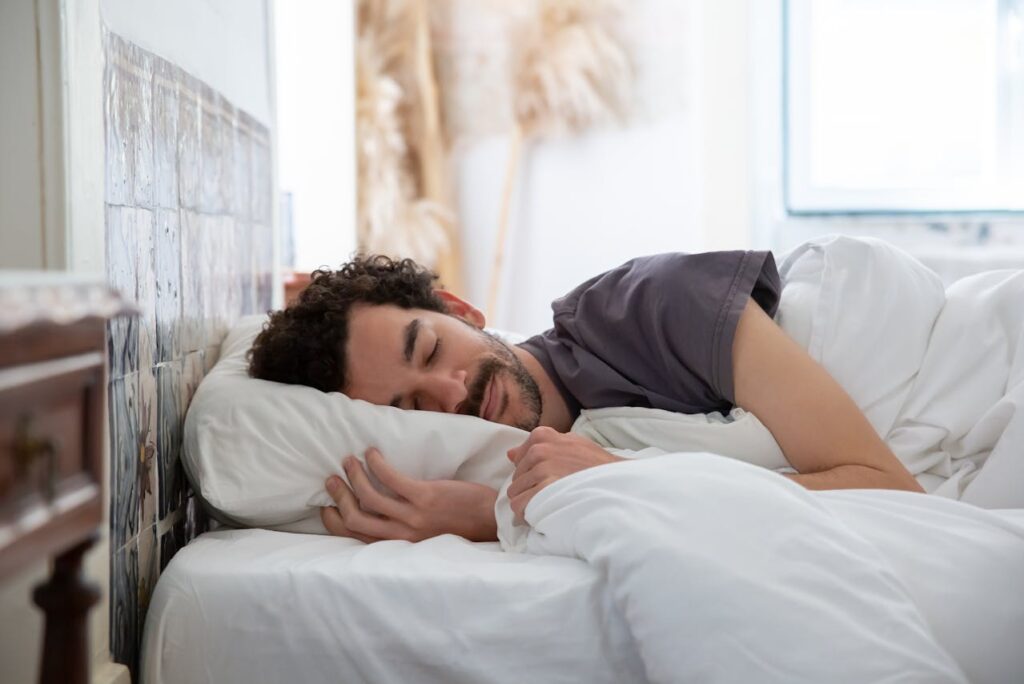
Now, two years later, I rarely think about sleep. It just happens. I get into bed at 10 PM, read for 10 minutes, turn off the light, and I’m asleep within 15-20 minutes. I wake up at 5:30 AM without an alarm, feeling genuinely rested and ready to tackle the day.
That’s the difference between drugged unconsciousness and natural, restorative sleep. One leaves you dependent and groggy. The other gives you energy, clarity, and control over your life.
Final Thoughts: Sleep Is Your Competitive Advantage
Everyone I know is tired. My coworkers at Checkers, my soccer teammates, my friends building side businesses—everyone is running on empty, relying on coffee, energy drinks, and sheer willpower to get through the day.
Meanwhile, I’m sleeping 7-8 hours naturally, waking up energized, and outperforming my previous self in every area of life. That’s not because I’m special. It’s because I prioritized sleep and implemented systems that work.
In a world where everyone is sleep-deprived, being well-rested is a massive competitive advantage. You think clearer, perform better, recover faster, and make smarter decisions. Whether you’re building a business, advancing your career, or just trying to be present for the people you love, quality sleep makes everything easier.
The path to financial and location freedom—my ultimate goal—requires sustained effort, sharp decision-making, and consistent execution. None of that is possible when you’re exhausted and dependent on pills to function.
Natural sleep gave me my life back. It can do the same for you.
So put down your phone after reading this. Dim your lights. Start implementing these strategies tonight. Your future self—the one who wakes up refreshed, energized, and ready to chase your goals—will thank you.
Sleep well. Build better. Live freely.