I’ll never forget the day I collapsed at Checkers during a stock count. It was mid-summer in Johannesburg, the warehouse felt like an oven, and I’d been so focused on rotating perishables that I forgot to drink water for six hours straight. My vision blurred, my head pounded, and the next thing I knew, I was sitting on the floor with my manager handing me a bottle of water. That wake-up call taught me something crucial: dehydration doesn’t announce itself with a polite knock—it kicks your door down.
Most of us think we’ll notice when we’re dehydrated. We assume thirst is enough of a warning. But here’s the truth: by the time you feel thirsty, you’re already mildly dehydrated. Your body has been sending signals long before that dry mouth kicks in, and ignoring them can lead to serious health consequences.
Let me walk you through the 10 most common signs of dehydration and, more importantly, how to prevent them before they derail your day.
Why Dehydration Happens More Often Than You Think
Water makes up about 60% of your body weight. Every system—your brain, heart, muscles, even your skin—depends on proper hydration to function. You lose water constantly through breathing, sweating, digestion, and urination. When you don’t replace what you lose, dehydration sets in.
Living in South Africa’s climate, I’ve learned this the hard way. Summer temperatures regularly hit 35°C, and whether you’re working retail, exercising, or just commuting, your body demands more water than you realize.
Common causes of dehydration include:
- Intense physical activity (especially in heat)
- Illness (vomiting, diarrhea, fever)
- Not drinking enough water throughout the day
- Excessive alcohol or caffeine consumption
- Certain medications (diuretics, blood pressure meds)
Now let’s dive into the warning signs your body uses to tell you it needs water.
10 Common Signs of Dehydration
1. Dark Yellow or Amber Urine
Your urine color is one of the most reliable hydration indicators. Pale yellow or clear means you’re well-hydrated. Dark yellow, amber, or brown signals dehydration.
I check this every morning. If my first bathroom trip shows dark urine, I know I didn’t drink enough water the previous day, and I make a point to start hydrating immediately.
2. Persistent Thirst
This seems obvious, but many people ignore mild thirst or confuse it with hunger. If you feel thirsty, your body is already playing catch-up.
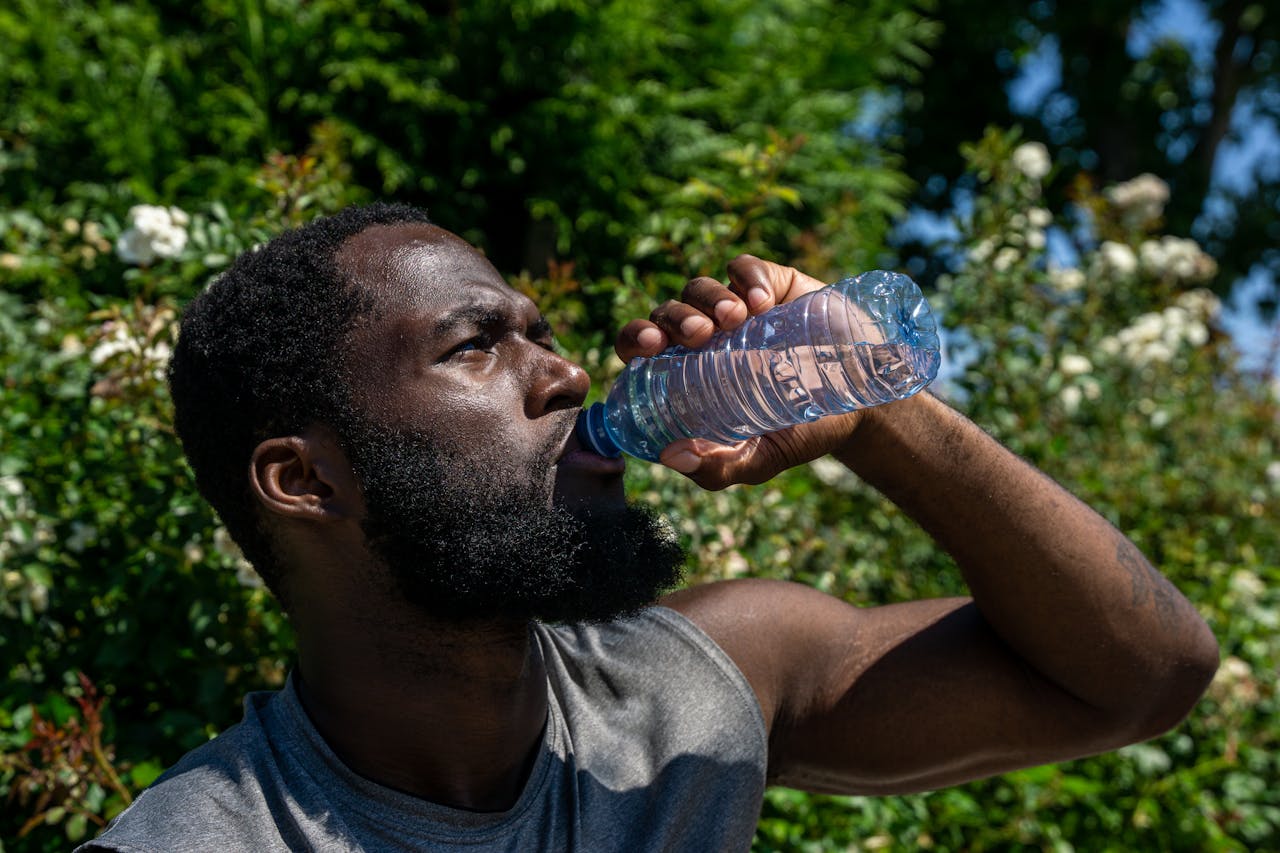
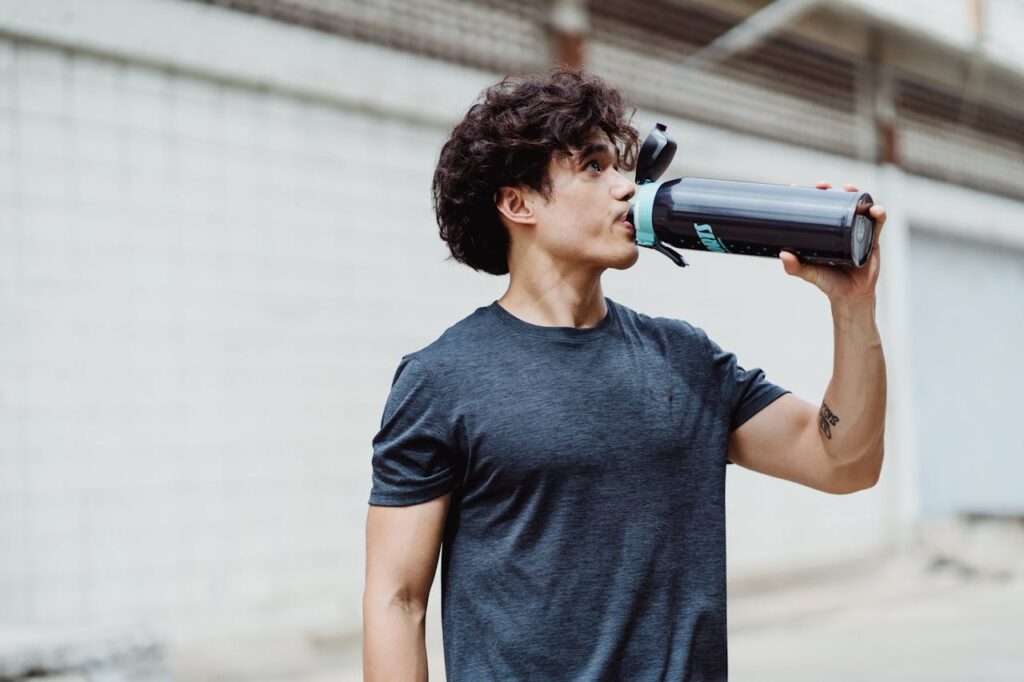
Pro tip: Keep a reusable water bottle with you everywhere. I carry a 1-liter bottle to work and refill it twice during my shift.
3. Dry Mouth, Lips, and Skin
When you’re dehydrated, your body prioritizes water for vital organs, leaving your skin and mucous membranes dry. cracked lips, flaky skin, and a sticky feeling in your mouth are early red flags.
I noticed this especially when I started selling perfumes on the side. Standing outdoors at markets for hours, talking to customers non-stop—my lips would crack within two hours if I wasn’t sipping water constantly.
4. Headaches and Dizziness
Dehydration reduces blood volume and oxygen flow to your brain, triggering headaches. You might also feel lightheaded or dizzy, especially when standing up quickly.
That warehouse incident I mentioned? The pounding headache hit me first, followed by dizziness. I initially blamed the heat, but it was pure dehydration.
Key insight: Before reaching for painkillers for a headache, drink two glasses of water and wait 20 minutes. You’d be surprised how often that solves the problem.
5. Fatigue and Low Energy
Feeling exhausted despite getting enough sleep? Dehydration forces your heart to work harder to pump blood, leaving you drained.
I used to think my afternoon energy crashes were just part of working long shifts. Then I started drinking water consistently throughout the day, and my energy levels stabilized dramatically. No energy drinks needed—just plain water.
6. Decreased Urination
If you’re going more than 4-6 hours without needing to urinate, or producing very little urine when you do, your body is conserving water because it’s not getting enough.
This is particularly concerning if you’re physically active or in a hot environment.
7. Rapid Heartbeat and Breathing
When you’re dehydrated, your blood thickens slightly, making your heart pump faster to circulate oxygen. You might notice your heart racing or feel short of breath during normal activities.
I experienced this once during a soccer match with friends. I hadn’t hydrated properly before the game, and within 20 minutes, my heart was pounding like I’d run a marathon. I had to sit out and rehydrate before continuing.
8. Confusion or Irritability
Your brain is about 75% water. When dehydration hits, cognitive function suffers. You might feel foggy, have trouble concentrating, or become unusually irritable.
My colleagues at Checkers can tell when I haven’t had enough water—I get snappy over minor things. It’s embarrassing, but it’s a real symptom.
9. Muscle Cramps
Dehydration disrupts your electrolyte balance (sodium, potassium, magnesium), which can trigger painful muscle cramps, especially during or after exercise.
Prevention strategy: If you’re exercising for more than an hour or sweating heavily, consider sports drinks or electrolyte solutions, not just water. The sodium and potassium help your body retain fluids more effectively.
10. Sunken Eyes and Reduced Skin Elasticity
In severe dehydration, your eyes may appear sunken, and your skin loses its elasticity. Pinch the skin on the back of your hand—if it doesn’t bounce back immediately, you’re likely dehydrated.
This is a more advanced sign and indicates you need to rehydrate urgently.
How Much Water Do You Actually Need?
The old “8 glasses a day” rule is a decent starting point, but your actual needs depend on several factors:
| Factor | Recommended Intake |
|---|---|
| Average adult (sedentary) | 2-3 liters per day |
| Physically active adults | 3-4 liters per day |
| Hot/humid climate | Add 500ml-1L extra |
| During illness (fever, vomiting) | Increase by 50% |
| Pregnant/breastfeeding women | Add 1-1.5 liters |
My personal formula: I aim for 3 liters on work days (physical job + South African heat) and 2.5 liters on rest days. I drink more if I’m exercising or it’s particularly hot.
Practical Prevention Strategies That Actually Work
1. Start Your Day With Water
Before coffee, before breakfast—drink a full glass of water. Your body has been fasting for 6-8 hours and needs hydration first.
I keep a glass of water on my nightstand and drink it before getting out of bed. It’s become such a habit that I feel off if I skip it2. Set Hourly Reminders
Use your phone’s alarm or a hydration app to remind you to drink water every hour. It sounds excessive, but it works.
I set reminders for 9 AM, 11 AM, 1 PM, 3 PM, and 5 PM during work hours. Each reminder means I finish at least 250ml. By the end of my shift, I’ve hit my target without thinking about it.
App suggestions: WaterMinder, Hydro Coach, or even a simple phone alarm with a label “Drink Water.”
3. Eat Water-Rich Foods
You don’t have to get all your hydration from drinking. Many fruits and vegetables have high water content and contribute to your daily intake.
Top hydrating foods:
- Watermelon (92% water)
- Cucumber (95% water)
- Oranges (87% water)
- Strawberries (91% water)
- Lettuce (96% water)
- Celery (95% water)
I pack sliced cucumber and oranges for my lunch break at Checkers. They’re refreshing, hydrating, and give me nutrients that plain water doesn’t provide.
4. Drink Before, During, and After Exercise
Don’t wait until you’re thirsty during a workout. By then, your performance has already declined.
Exercise hydration protocol:
- Before: 400-600ml, 2 hours before activity
- During: 200-300ml every 15-20 minutes
- After: 500-750ml for every pound of body weight lost through sweat
When I play soccer on weekends, I follow this religiously. The difference in my stamina and recovery is night and day compared to when I used to just drink water afterward.
5. Flavor Your Water If Plain Bores You
I get it—plain water can feel monotonous. But sugary drinks and excessive caffeine don’t hydrate you effectively.
Healthy alternatives:
- Add lemon, lime, or cucumber slices
- Infuse with mint or berries
- Try herbal teas (rooibos is my favorite—proudly South African)
- Coconut water for natural electrolytes
I keep a jug of water infused with lemon and mint in my fridge at home. It tastes refreshing and makes drinking water feel less like a chore.
6. Monitor Your Urine Color
Make it a habit to check your urine color throughout the day. Aim for pale yellow. If it’s darker, increase your water intake immediately.
This simple visual check has saved me from dehydration countless times, especially during summer warehouse shifts.
7. Limit Alcohol and Caffeine
Both are diuretics, meaning they make you urinate more frequently and lose water. I’m not saying avoid them entirely—I love my morning coffee—but balance them with extra water.
Rule of thumb: For every cup of coffee or alcoholic drink, add an extra glass of water to your daily intake.
When I’m selling perfumes at weekend markets and grab a beer afterward with friends, I make sure to drink a full glass of water before bed. It prevents the dehydration hangover the next morning.
8. Adjust for Climate and Activity
South Africa’s weather can swing from mild to scorching within hours. On hot days or when you’re more active, consciously increase your water intake.
I learned this during a hiking trip in the Drakensberg. Even though it was cooler at higher altitude, the physical exertion and dry air dehydrated me faster than expected. I now pack 2 liters minimum for any outdoor activity.
9. Keep Water Accessible
You’re more likely to drink water if it’s within arm’s reach. I keep bottles at my workstation, in my car, next to my bed, and in my backpack.
Workplace tip: If you work retail or any job where you can’t constantly sip water, take deliberate hydration breaks. At Checkers, I use my 15-minute breaks specifically to drink water and eat something hydrating.
10. Teach Your Kids Early
If you have children, model good hydration habits. Kids are even more susceptible to dehydration because they’re often too busy playing to notice thirst signals.
My nephew spent a day with me at work during school holidays, and I made it a game—every time we both drank water, he earned points.
The Bottom Line: Prevention Is Simpler Than Treatment
That day I collapsed at work was a turning point. I realized that something as simple and accessible as water had been neglected in my daily routine, and my body paid the price. Since then, hydration has become non-negotiable—as essential as charging my iPhone 13 every night.
Here’s what I want you to remember:
Dehydration is preventable. You don’t need expensive supplements, special equipment, or a complicated routine. You just need consistent, intentional water intake throughout your day.
Listen to your body. Those early warning signs—dark urine, mild headache, slight fatigue—are your body’s way of asking for help. Don’t ignore them.
Make it a habit. Like anything worthwhile, proper hydration requires building systems. Set reminders, keep water accessible, and track your intake until it becomes automatic.
Whether you’re working a physically demanding job like mine, chasing financial freedom through side hustles, staying active, or simply trying to feel your best, hydration is your foundation. Everything else—energy, focus, performance, even mood—builds on top of it.
So here’s my challenge to you: For the next seven days, commit to drinking at least 2.5 liters of water daily. Track your urine color. Notice how you feel. I’m willing to bet you’ll experience better energy, fewer headaches, clearer thinking, and improved physical performance.
Your body is approximately 60% water. Treat that percentage with the respect it deserves, and it will reward you with better health, sustained energy, and the vitality to pursue whatever goals you’re chasing—whether that’s location freedom, financial independence, or simply making it through your workday feeling strong.
Stay hydrated. Your future self will thank you.